
Commercial Moving Made Easy: How Moving Companies Support Business Growth
Commercial moves rarely fail because of one big mistake. They fail because of dozens of small ones. A missing access badge. A mislabeled server rack. A reception desk that arrives before the floor is ready. These details drain time, disrupt service, and pull leaders away from revenue work.
A strong moving company turns relocation into a controlled business project, not a stressful scramble. The right partner protects uptime, keeps teams productive, and helps the move feel like a growth step instead of a setback.
Moves That Protect Revenue, Clients, and Momentum

Growth depends on continuity. Clients keep calling. Orders keep shipping. Support tickets keep coming in. A commercial move that interrupts these flows can cost more than the lease savings or upgraded space ever returns. That is why smart relocation plans focus on business hours, service windows, and critical workflows first.
Good movers build a sequence that matches your operations. They plan around peak periods, billing cycles, and high-volume days. They stage equipment and furniture so departments restart in the correct order, not in the order a truck happens to arrive. That structure prevents a move from turning into a week of lost productivity.
They also reduce decision fatigue for leadership. When a move becomes a daily fire drill, managers stop leading. Professional crews keep a predictable cadence, send clear updates, and solve small issues on the spot. Your leaders stay focused on customers and growth work, not box counts.
Planning Like a Project, Not a Pickup

Commercial relocation demands project discipline. That starts with discovery. Walkthroughs, inventories, access rules, elevator schedules, loading dock limits, and building insurance requirements all shape the plan. When movers treat these details as optional, schedules slip and costs rise fast.
Experienced teams build a written scope and a real timeline. They map what moves first, what moves last, and what must never go offline at the wrong time. They assign responsibilities and create checklists for each department so people know what to pack, what to keep at their desks, and what stays locked until move day.
A well-run plan includes risk control. Movers flag fragile or high-value assets early, confirm special crating needs, and coordinate with your building and vendors. That reduces surprises, which keeps your move predictable. Predictable moves feel easier because your team can keep doing their jobs.
Smarter Logistics for Complex Spaces
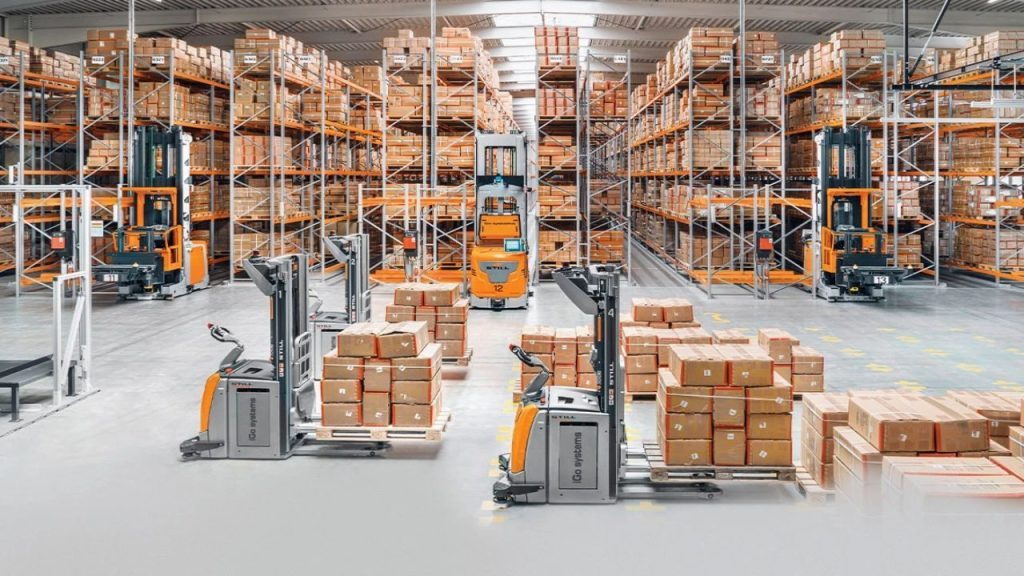
Commercial spaces do not move like homes. You may have cubicles, modular workstations, lab benches, retail fixtures, warehouse shelving, or conference room builds. Each category requires different handling, different tools, and different loading strategies. Movers who know commercial work bring the right equipment and the right crew roles.
Labeling and tracking make the difference. A smart mover sets up a location-based system, not a “box-based” one. They tag assets by department, room, and final placement zone. That helps the receiving crew place items where they belong, which speeds setup and reduces the post-move scavenger hunt.
Logistics also includes traffic management. Loading docks, security checkpoints, parking permits, and elevator reservations can slow the day if no one plans ahead. Commercial movers coordinate these details in advance so crews keep moving, trucks stay scheduled, and the building stays safe and compliant.
IT, Records, and Specialty Assets Handled With Care

Technology drives modern operations. A move can strain that system if teams disconnect equipment without a plan. Professional movers support IT teams with coordinated shutdown and restart windows. They handle racks, monitors, printers, and cable-managed stations so you avoid damage and downtime.
Records and regulated materials need clear chain-of-custody practices. A strong commercial mover uses sealed containers, documented transfers, and controlled access for sensitive files. That matters for HR documents, financial records, legal files, and client data. When compliance expectations stay intact, your risk stays low.
Specialty assets need specialized methods. Think medical devices, calibration tools, production equipment, artwork, or high-end fixtures. Skilled movers provide custom crating, padding systems, lift gates, and careful routing. They treat these items like business-critical assets, because they are.
Protecting People, Culture, and Productivity
A move affects more than furniture. It affects morale. When employees feel uncertain, productivity drops. When the plan feels clear, people stay confident and focused. The best movers help create that clarity with simple instructions, consistent communication, and realistic expectations.
They support employee experience in practical ways. They provide packing guidelines that reduce confusion. They deliver labeled bins and clear timelines so staff can pack without losing days of work. They create an easy system for personal items, shared supplies, and team resources so nothing disappears in transit.
They also help protect workplace culture. A move can disrupt how teams collaborate if layouts or shared spaces arrive incomplete. Experienced movers coordinate furniture placement and “day one readiness” so teams can return to normal rhythms quickly. That stability helps new hires onboard faster, teams collaborate sooner, and managers spend less time troubleshooting.
What to Look For in a Growth-Focused Commercial Mover
Start with operational fit, not marketing promises. Look for proven experience with commercial environments similar to yours, including your building type and your asset types. Ask how they manage labeling, placement, and sequencing across departments. A mover who can explain their process clearly will usually run a cleaner move.
Confirm the planning approach. The best teams assign a dedicated point of contact and provide written schedules, inventories, and escalation paths. They ask the right questions early, including access restrictions, elevator rules, parking limitations, and insurance requirements. They stay specific, not vague.
Finally, evaluate how they handle risk. Ask about coverage, claims processes, crew training, and specialty handling. Ask how they protect sensitive records and high-value equipment. A mover who treats risk seriously helps you protect continuity, reputation, and long-term growth. When the move supports your operations, the new space starts paying you back faster.