
San Miguel de Allende Real Estate: What Expats Should Know Before Buying
Buying property in Mexico as a foreigner takes more planning than most buyers anticipate. The legal structures, financing options, and local market conditions in San Miguel de Allende are all quite different from what buyers typically encounter in the US, Canada, or the UK. Agents specializing in this market, like DreamProHomesLuxury, work through the process with international clients who want to own in one of Mexico’s most sought-after cities and help them understand what that actually involves, from trust requirements to title transfer timelines. Starting with a clear-eyed view of the process prevents the kind of surprises that derail deals.
One thing that catches buyers off guard is coverage. Finding reliable property insurance in San Miguel de Allende is not a straightforward exercise for foreign nationals, since international policies often exclude properties held through a Mexican fideicomiso, the trust structure that most foreigners are required to use. Verifying that a policy actually covers the structure of your ownership before closing is a step that is easy to skip and difficult to recover from.
Why San Miguel de Allende Draws Serious Buyers
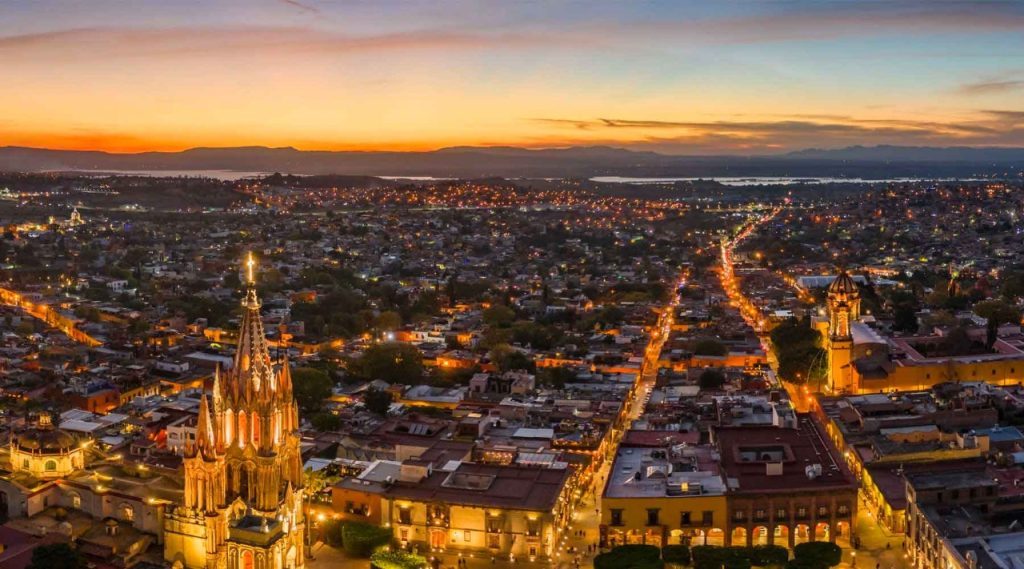
San Miguel de Allende has been a destination for American and Canadian expats since the 1940s, when a wave of artists and GI Bill students discovered it. Today the city draws a broader mix: retirees looking for a slower pace, remote workers who want high-speed internet in a colonial setting, and investors looking for rental returns from a property base that has appreciated steadily. The historic city center is a UNESCO World Heritage Site, which imposes real restrictions on renovation and construction, and those restrictions are a large part of why property values have held up.
The city has something most Mexican resort towns lack: year-round livability. The altitude keeps summer temperatures moderate, the dry season covers most of the year, and the arts and restaurant scene rivals cities five times its size. Rental demand is strong, particularly in the historic center and the Guadiana and Aurora neighborhoods. Properties with colonial architecture and modern finishes consistently outperform newer builds in both short-term rental returns and resale value.
Understanding the Fideicomiso
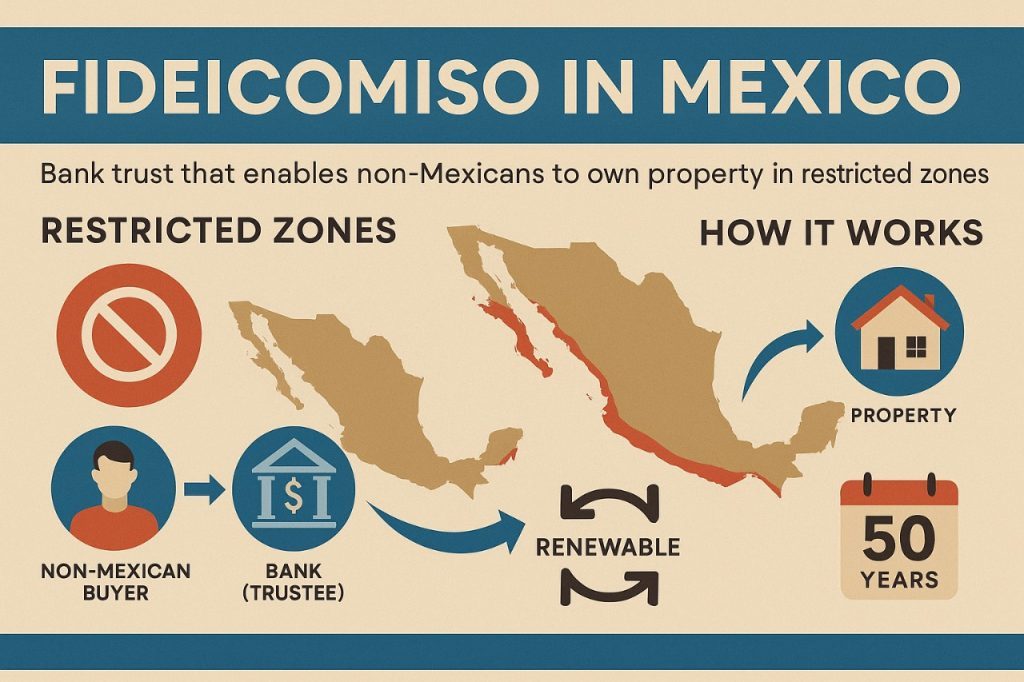
Mexican law prohibits foreigners from owning land outright in certain restricted zones, which includes any land within 100 kilometers of an international border or 50 kilometers of a coastline. San Miguel de Allende falls within this restriction zone. To own property, foreign buyers must purchase through a fideicomiso, which is a bank trust. The bank holds legal title, and the buyer holds all rights to use, rent, modify, or sell the property. It is functionally similar to ownership, but it involves an annual fee to the trust bank and a setup cost at closing.
The trust needs to be renewed every 50 years, and the renewal paperwork can be a source of confusion for buyers who were not fully briefed at purchase. A good real estate attorney will include this in their explanation of closing documents, but buyers who skip legal representation sometimes discover the renewal requirement years later when they try to sell. The U.S. Department of Housing and Urban Development recommends working with a housing counselor on any significant property transaction; the principle holds internationally as well.
Financing Without a Mexican Mortgage

Most expat buyers in San Miguel de Allende pay cash. Mexican mortgage rates for foreign nationals are high by North American standards, often running between 10 and 12 percent annually, and the paperwork requirements for a non-resident to qualify are considerable. Developers occasionally offer in-house financing at better rates, but these arrangements carry their own risks, particularly if the developer has multiple projects in progress and cash flow issues.
US buyers sometimes consider home equity loans against their primary residence to fund an international purchase. This sidesteps the Mexican mortgage system entirely and uses a financial product the buyer already understands. The Consumer Financial Protection Bureau outlines how to evaluate financing options before making a commitment, including how to compare loan products and understand what you are agreeing to. Regardless of how a buyer funds the purchase, having funds cleared and documented before signing any contract shortens the transaction timeline substantially and demonstrates seriousness to sellers.
Choosing a Neighborhood
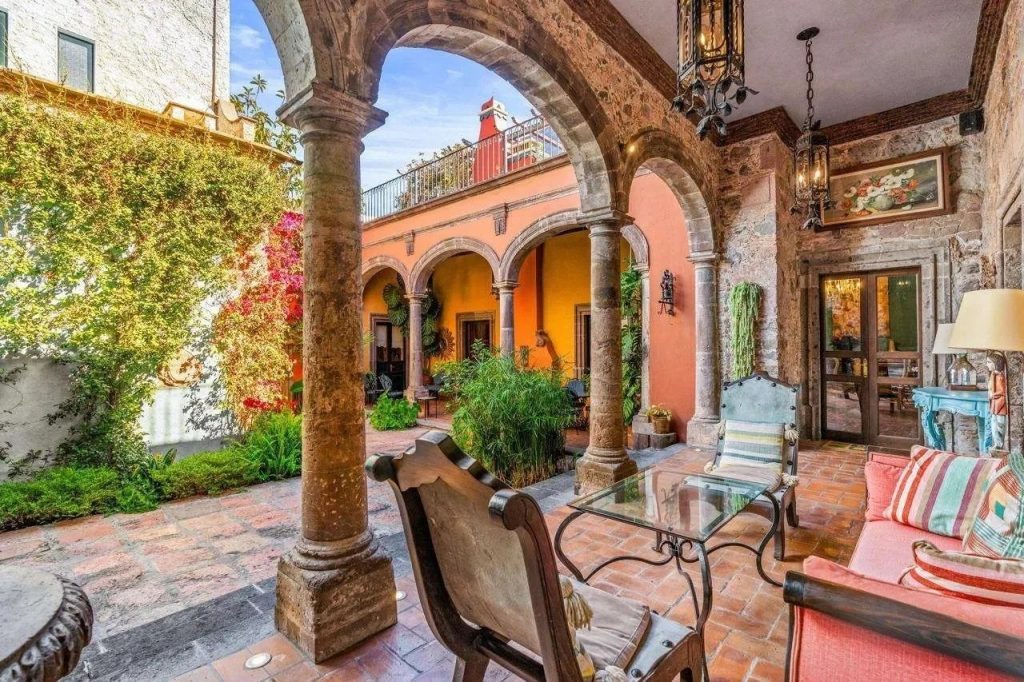
The historic center is the most recognizable part of San Miguel de Allende and also the most expensive. Properties near El Jardin and Parroquia de San Miguel Arcangel carry a premium that is hard to justify purely on rental yield. Better returns typically come from neighborhoods just outside the center: Guadiana, with its tree-lined streets and colonial homes, and Aurora, which has developed a cluster of galleries and restaurants in recent years.
Further from the center, areas like Ojo de Agua and San Antonio offer lower entry prices and a quieter residential character. These suit buyers who plan to live in the property year-round rather than rent it seasonally. The tradeoff is resale liquidity: the closer to the center, the faster a property tends to sell. Buyers planning to hold for five to seven years and then exit generally do better choosing a neighborhood with established international name recognition, even if the entry price is higher, than hunting for value in a less-familiar area.
Due Diligence Before You Sign
Title verification is the part of the process that catches buyers by surprise. In Mexico, title insurance is available but not universal, and many sellers will not proactively disclose liens or unresolved succession issues from previous owners. A buyer who skips title verification to move quickly risks inheriting legal problems that can take years and significant legal fees to clear.
The due diligence process should also include a structural inspection, a review of the property tax history, and confirmation that any renovation work done by the previous owner had proper permits. Unpermitted work in the historic center is more common than most buyers realize. San Miguel’s designation as a UNESCO World Heritage Site means renovation rules are strict, and any work done without approval can require a buyer to remove it at their own expense. Hiring a local attorney and a certified inspector adds two to three weeks to a deal but closes it correctly, a much better outcome than discovering problems after transfer.
__________________________________________________
Watch: Buying Property Abroad: Tax Rules, Risks & Smart Planning for Expats
Title verification is the part of the process that catches buyers by surprise. In Mexico, title insurance is available but not universal, and many sellers will not proactively disclose liens or unresolved succession issues from previous owners. A buyer who skips title verification to move quickly risks inheriting legal problems that can take years and significant legal fees to clear.
The due diligence process should also include a structural inspection, a review of the property tax history, and confirmation that any renovation work done by the previous owner had proper permits. Unpermitted work in the historic center is more common than most buyers realize. San Miguel’s designation as a UNESCO World Heritage Site means renovation rules are strict, and any work done without approval can require a buyer to remove it at their own expense. Hiring a local attorney and a certified inspector adds two to three weeks to a deal but closes it correctly, a much better outcome than discovering problems after transfer.