What Patients Need to Know About Mohs Surgery for Skin Cancer
Skin cancer is the most commonly diagnosed cancer in the United States, with more than 9,500 people receiving a new diagnosis every single day. For many patients, that number is abstract until it applies directly to them. The questions that follow are usually the same ones: What kind of treatment do I need? Will it come back? Who should I see? Finding accurate answers before your first appointment changes how you approach everything that comes next. Resources like https://luminederm.com/ give patients a clearer picture of available treatment options and the specialists qualified to handle them.
Among the surgical options for common skin cancers such as basal cell carcinoma and squamous cell carcinoma, Mohs micrographic surgery is notable for its precision and consistently high cure rates. One question that comes up in nearly every consultation is: Does Mohs surgery leave scars after skin cancer removal, and the honest answer is more nuanced than patients usually expect. Understanding what shapes outcomes in healing, scarring, and long-term appearance helps patients make genuinely informed decisions before committing to a procedure.
Why Mohs Surgery Is Recommended for Certain Skin Cancers
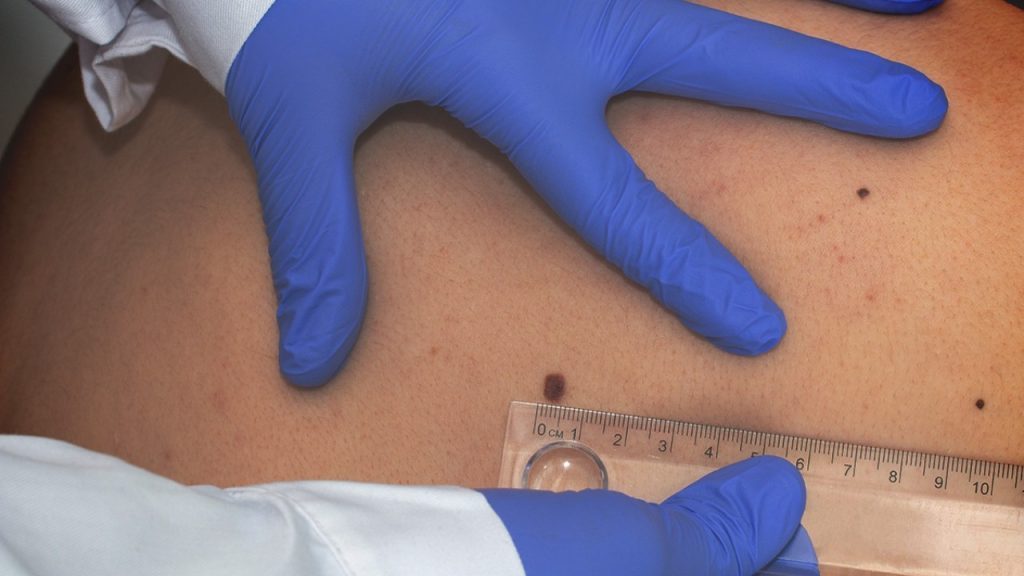
Not every skin cancer is a candidate for Mohs surgery, and most surgeons are direct about that. The procedure is typically chosen when a tumor sits in an area where preserving as much healthy tissue as possible matters, such as the face, scalp, ears, or hands. It is also the standard choice for cancers that have recurred after initial treatment, or for tumors with poorly defined borders that are difficult to fully remove with standard excision.
The technique was developed in the 1930s by Dr. Frederic Mohs and has been refined significantly over the decades since. What distinguishes it from a standard excision is how tissue is evaluated during the procedure. After each layer is removed, it is processed and examined under a microscope in real time rather than sent to an off-site lab that takes days to return results. The surgeon knows whether cancer cells remain at the margin before the patient leaves the operating room.
According to the Skin Cancer Foundation, Mohs surgery achieves cure rates of up to 99% for primary cancers and around 94% for recurrent cases. No other standard treatment consistently reaches those numbers.
How the Procedure Works on the Day of Surgery
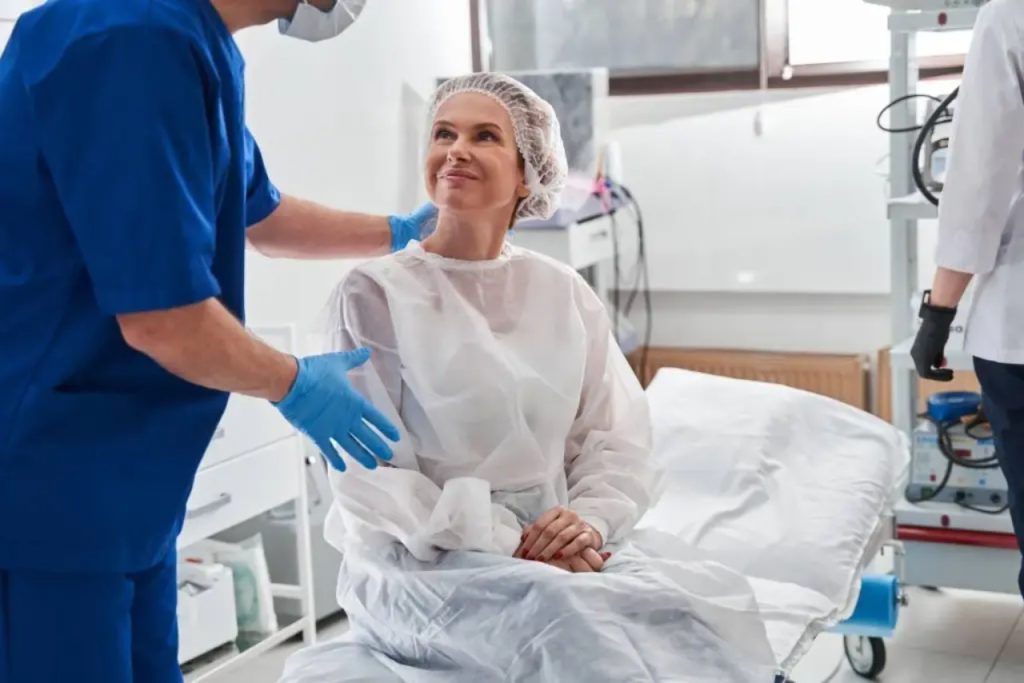
The day of Mohs surgery tends to run longer than most patients expect. Plan for four to eight hours at the clinic, though a significant portion of that time is spent waiting between stages rather than under the surgeon’s hands. Bring a book, a phone charger, or a meal. The waiting rooms at Mohs clinics are well-practiced in keeping patients comfortable.
The surgeon begins by numbing the area with a local anesthetic and removing a thin layer of visible tissue along with a narrow margin around the wound edges. That tissue goes directly to an on-site lab, where it is frozen, sectioned, and stained so that 100% of the surgical margins can be examined under a microscope. This is a key difference from standard pathology, which typically reviews only 1% to 2% of excised margins.
If cancer cells appear at the margins, the surgeon maps their exact location and removes another layer only from that specific area. Most cases resolve in one or two stages, though complex tumors can require three or more. Patients are awake throughout and can eat or read between rounds.
The Reality of Healing After Mohs Surgery
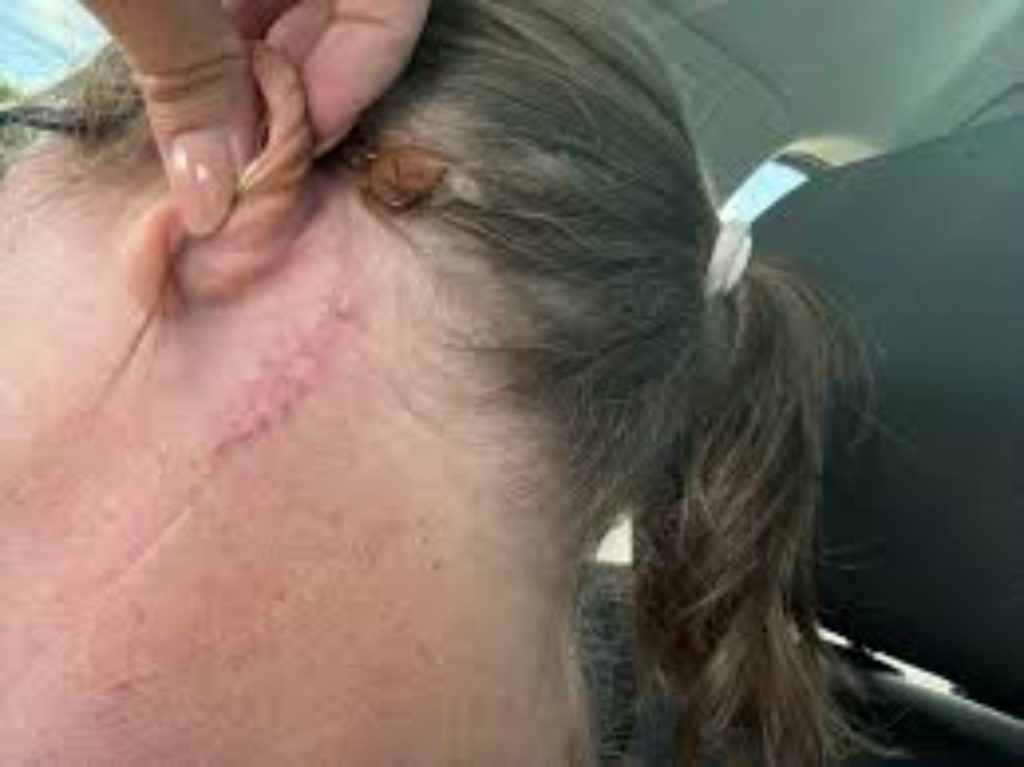
Once the cancer is fully cleared, the surgeon shifts to wound closure. The repair method depends on the size and location of the wound. Small defects can often be closed directly with sutures. Larger ones may call for a skin graft, where a thin piece of skin from another body site covers the wound, or a flap repair, where nearby tissue is repositioned to fill the gap.
The first week or two after surgery is when the wound looks its worst. Bruising, swelling, and some crusting around the sutures are normal. By the six-week mark, most wounds are fully closed and the surface has calmed considerably. Full scar remodeling, the process by which a scar softens, flattens, and fades, can take anywhere from six months to two years depending on the individual.
Pain is generally mild and manageable with acetaminophen. Most patients do not need prescription pain relief. Infection is uncommon when aftercare instructions are followed carefully, with moist wound care and sun protection being the two most consistent recovery factors.
What Actually Determines How Much You Scar
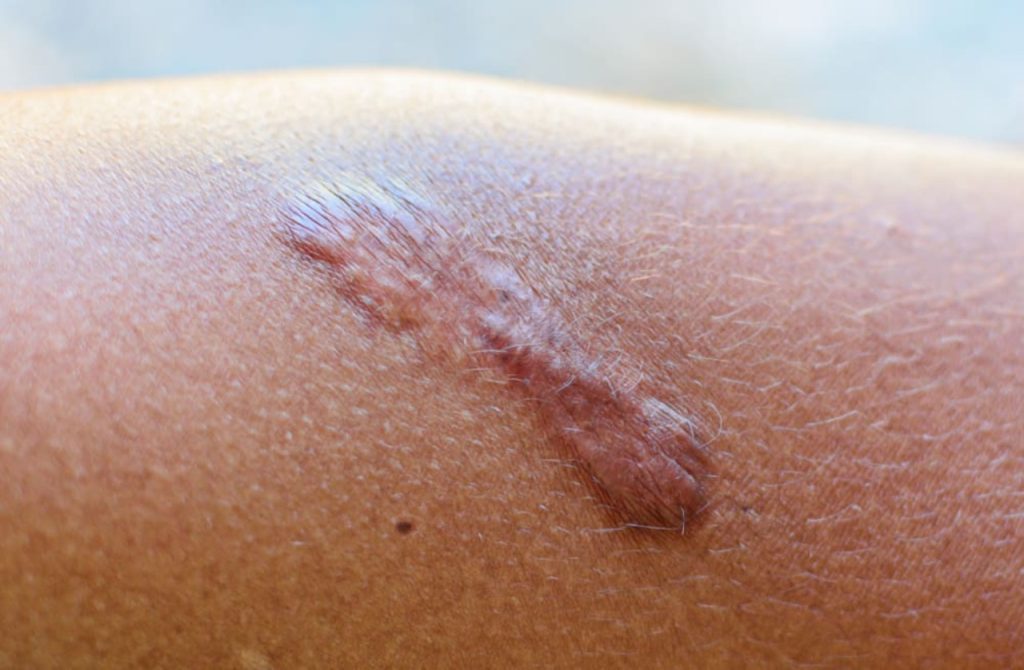
Scarring is not binary. The degree of visible change after Mohs surgery depends on several overlapping factors, and no two patients end up with identical outcomes even when the same tumor type appears in the same location.
Location matters more than most people realize. Wounds on the nose, ear rims, and scalp tend to scar more visibly than wounds on the trunk or limbs because the skin is thinner and movement of underlying structures affects how tissue heals. Skin type plays a real role too. People with darker skin tones are more prone to hyperpigmentation around the healing area, while lighter skin types may see prolonged redness that takes months to fully settle.
The surgeon’s chosen repair technique has a direct effect on the final result. A straight-line closure pulls the skin in one direction and can cause tension or widening over time. A well-designed flap repair distributes that tension across a larger area and can produce a result that is barely noticeable a year out. Research published by the American Academy of Dermatology indicates that surgeon experience is among the strongest predictors of cosmetic outcome in facial reconstruction after skin cancer removal.
Finding the Right Surgeon for Mohs Surgery
Mohs surgery is highly specialized, and the credential worth seeking out is fellowship training through the American College of Mohs Surgery (ACMS). Fellows complete a minimum of 500 supervised cases and train specifically in both tumor excision and reconstructive repair. That combination is what sets a trained Mohs surgeon apart from a general dermatologist performing a standard excision.
When evaluating a surgeon, practical questions matter. How many Mohs procedures do they perform in a given month? Do they handle reconstruction themselves or refer patients out to a separate specialist? What does their aftercare protocol look like, and how closely do they monitor healing in the weeks that follow?
Before-and-after documentation for cases similar to yours is worth requesting. It tells you something concrete about how carefully a surgeon approaches reconstruction. A practice that cannot show comparable cases either has very few on file or does not track outcomes closely, and both are things worth knowing before you book.