
Tea Light Candles Explained: Types, Materials, and Uses
Small candles often do more work than people expect. They warm a dining table, soften a guest room, support spa treatments, and add a polished touch to weddings, restaurants, and holiday displays. Their size makes them easy to overlook, yet that compact form serves a clear purpose. These candles deliver controlled light, modest heat, and simple placement in spaces where larger candles can feel bulky or impractical.
Among the most versatile options on the market, tea light candles remain a favorite for homes and businesses because they are affordable, easy to use, and available in a wide range of waxes, burn times, and finishes. A basic version can handle everyday ambient lighting, while a premium version may offer cleaner burning, better scent throw, or a longer, steadier flame. To choose the right one, it helps to look past the small size and focus on construction, materials, and intended use.
Why Their Design Works So Well
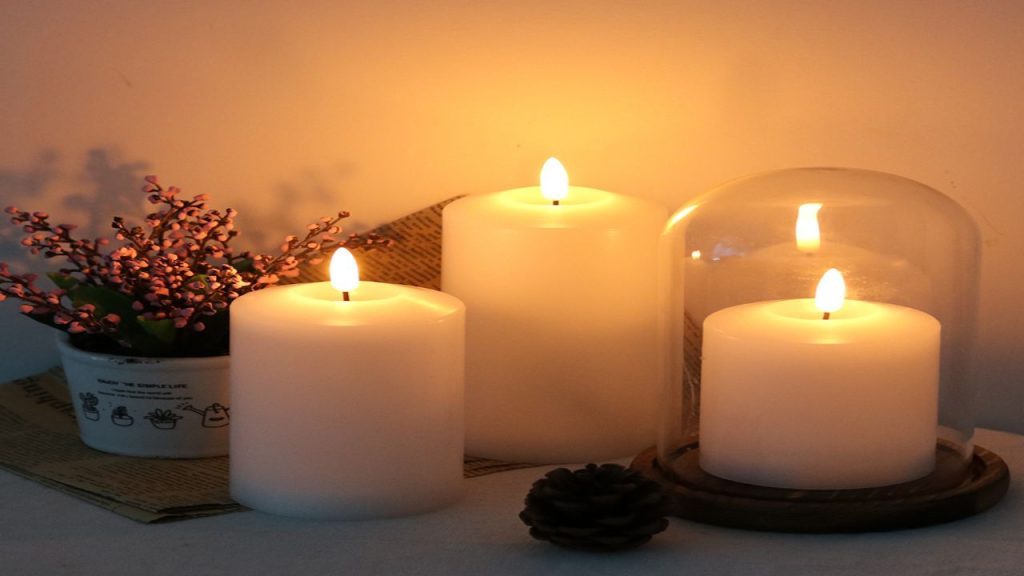
The appeal starts with the format itself. These candles sit in a shallow cup, which gives the melted wax a contained space as it liquefies. That simple design improves convenience and reduces mess. Users can place them in holders, lanterns, centerpieces, warming devices, and decorative accents without dealing with dripping sides or heavy glass jars. The shape also makes them easy to store, transport, and replace in large quantities.
Their low profile changes how they perform. A shorter candle creates a subtle glow instead of a dominant flame, which makes it useful in settings where mood matters more than brightness. Restaurants use them to soften tablescapes. Event planners rely on them for layered lighting. Homeowners add them to bathrooms, patios, and shelves for a quiet, finished look. In each case, the candle supports the setting instead of taking over the room.
That practical design also gives buyers flexibility. A person shopping for casual home use may want a standard unscented option with a short burn time. A business may prefer longer-burning units for service hours. A gift or decor brand may focus on color, scent, or seasonal styling. The same basic structure can serve all of those goals, which explains why this category has stayed relevant for so long.
Common Types and How They Differ
The first major difference is burn time. Standard options often last around four hours, while extended versions may burn six, eight, or even longer depending on wax blend, wick quality, and cup size. Burn time matters more than many buyers think. A short event may only need a basic candle, but a wedding reception, restaurant shift, or evening service calls for a product that can hold up without constant replacement.
Scent is another dividing line. Unscented versions work well when the goal is clean ambient lighting or when food, flowers, or room fragrance should remain the main sensory focus. Scented options add another layer of atmosphere, but they require balance. In a small candle, too much fragrance oil can affect flame quality, while too little leaves the scent flat and forgettable. The best scented versions stay restrained and intentional.
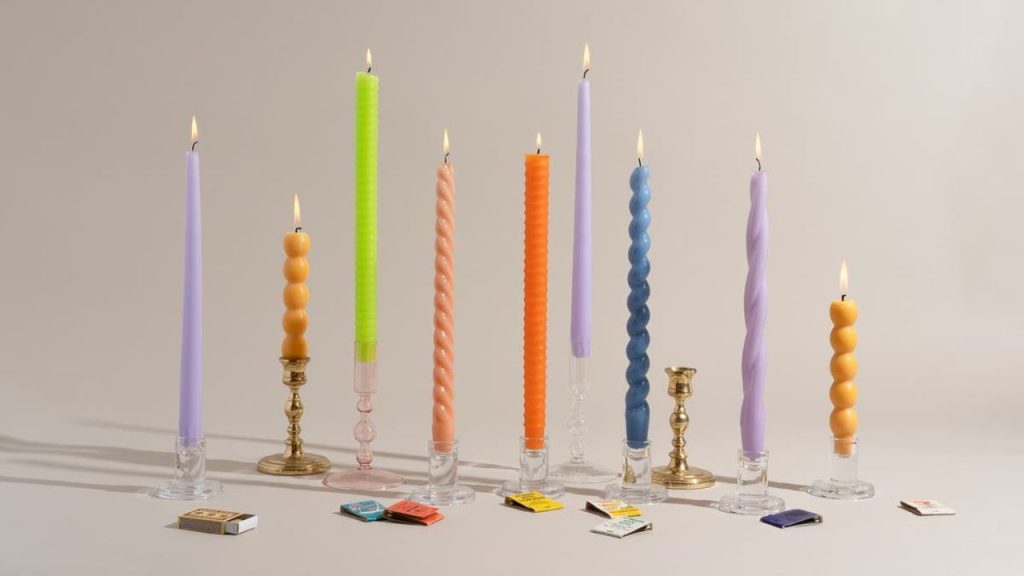
Appearance also shapes the category. Some come in plain white for universal use. Others feature dyed wax, metallic cups, clear cups, or seasonal finishes meant for decor-driven settings. There are also utility-focused varieties made for food warmers and oil burners. These often prioritize consistent heat output over visual effect. So while the format looks simple, the product range covers decorative, commercial, and functional needs with surprising precision.
Wax Materials and What They Mean for Performance
Wax choice has a direct impact on burn behavior, scent performance, and product feel. Paraffin remains common because it is cost-effective, stable, and easy to manufacture at scale. It usually offers a reliable burn and solid scent throw, which helps explain its continued popularity in both everyday and event-use candles. For buyers watching cost and consistency, paraffin often makes practical sense.
Soy wax has gained attention among shoppers who prefer plant-based ingredients and a softer brand story. It can burn cleanly and works well in many candle formats, though performance depends heavily on formulation. In smaller candles, soy sometimes benefits from blending with other waxes to improve burn stability and reduce issues like tunneling or weak scent release. A well-made soy blend can perform beautifully, but the label alone does not guarantee better quality.
Other materials also appear in the market, including palm blends, coconut blends, and beeswax options. Beeswax tends to appeal to buyers who want a natural material and a warm, subtle character, though it often comes at a higher price. Coconut and specialty blends may offer smoother tops, good fragrance compatibility, and premium positioning. The key point is simple: the wax affects more than ingredients. It shapes flame strength, melt pool behavior, finish, price, and overall user experience.
The Role of Cups, Wicks, and Construction
The cup does more than hold the wax. It affects safety, heat retention, and presentation. Aluminum cups remain a standard choice because they are lightweight, practical, and heat resistant. Clear plastic cups create a more polished look for certain decorative uses, especially when the candle sits in a visible holder. Still, buyers need to match cup material to intended use. A warmer, centerpiece, or long service window may call for a format built for higher heat exposure and steady performance.
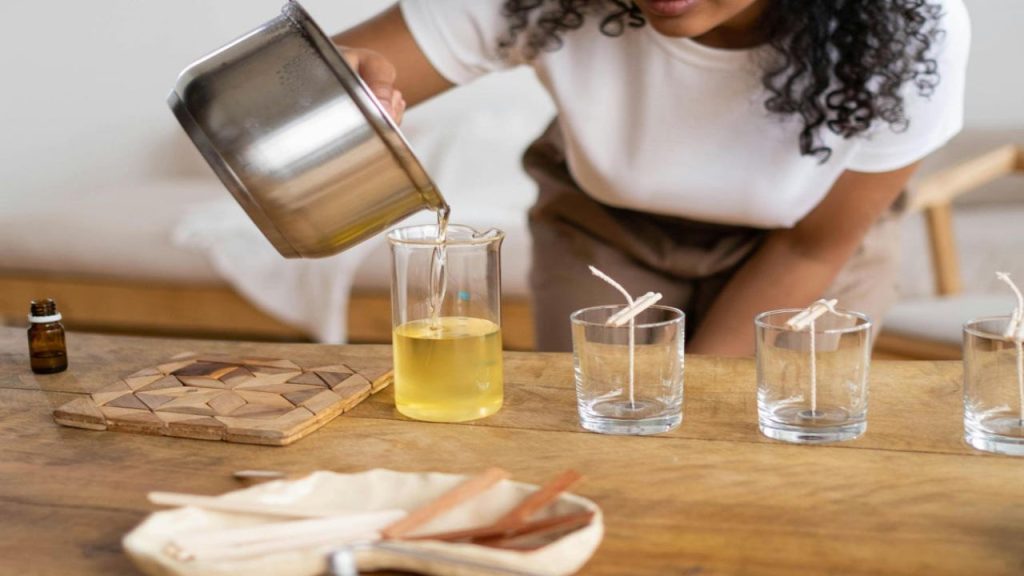
Wick selection matters just as much. A wick that runs too hot can burn through wax too quickly and create smoke or soot. A wick that runs too cool may drown in melted wax or produce a weak flame. Manufacturers have to balance wick size, wax density, fragrance load, and cup diameter with care. That balance separates a quality candle from one that looks fine in the package but disappoints during use.
Construction details often reveal product quality before the candle is ever lit. A centered wick suggests better quality control. A smooth wax surface points to better pouring and cooling. Uniform sizing helps when candles need to fit holders consistently across a large event or hospitality setting. Even packaging tells a story. A bulk pack built for commercial use should protect shape and wick integrity, while a premium retail pack should combine function with shelf appeal.
Where These Candles Work Best
Home decor remains one of the strongest use cases. These candles work well on coffee tables, bathroom trays, dining settings, and seasonal displays because they add warmth without demanding much space. They pair easily with glass holders, ceramic accents, wood trays, and floral arrangements. Their scale makes them ideal for layered styling, where several small points of light create a richer visual effect than one larger candle.
They also play an important role in hospitality and events. Restaurants use them to create intimacy at the table. Spas use them to support a calm treatment environment. Venues rely on them for weddings, holiday dinners, and branded gatherings where lighting helps shape the guest experience. In these settings, consistency matters. A weak flame, uneven burn, or cheap-looking cup can lower the overall impression faster than many buyers expect.
Functional use deserves attention too. Some versions support food warming, essential oil diffusion, and lantern lighting. In these cases, heat output and burn duration matter more than fragrance or decorative color. Buyers should treat these practical uses seriously and select products made for the task at hand. A candle chosen for atmosphere may not perform the same way in a warmer or utility holder.
How To Choose the Right Option for Your Needs

The smartest purchase starts with the setting. For dining and events, look for clean-burning, unscented candles with enough burn time to cover the full service window. For home decor, visual finish and holder compatibility may matter more. For gifts or retail shelves, material story, packaging, and fragrance profile can influence buying decisions as much as performance. The right product depends on the job it needs to do.
Burn time deserves close attention because product labels can create false confidence. A stated burn range gives a general guide, not a promise for every environment. Drafts, room temperature, wick variation, and holder design all affect real performance. Buyers who need dependable results for commercial or event use should test samples before placing a large order. That small step can prevent waste, replacement costs, and setup problems later.
It also helps to think about storage and volume. Bulk buyers should keep candles in a cool, dry place away from direct sunlight and extreme temperature shifts. Heat can warp cups, fade color, and affect fragrance. Strong inventory habits protect product quality, especially for businesses that order by the case. A candle may be small, but poor storage can still damage burn performance and presentation.
Safety, Maintenance, and Practical Expectations
Safe use starts with placement. These candles should sit on a stable, heat-resistant surface and stay clear of drafts, fabrics, paper goods, and anything flammable. Holders should fit properly and allow enough airflow for the flame to burn cleanly. Crowding multiple candles too closely can increase heat buildup, which may affect both safety and performance. Good presentation and safe setup usually go hand in hand.
Users should also keep expectations realistic. Small candles create mood lighting, not room-filling brightness. Scented versions may add a pleasant background note, but they rarely match the fragrance strength of larger jars or multi-wick candles. Their value comes from precision. They fill a small space well, support a visual setting, and offer flexibility that larger candles cannot always match.
Maintenance stays simple, yet it still matters. Replace damaged cups, discard any candle with an off-center wick or obvious defects, and keep holders free of leftover wax or debris. Clean holders improve appearance and help each new candle sit correctly. For businesses and frequent users, these small habits protect both safety and consistency. That is often the difference between a candle that feels like an afterthought and one that quietly improves the whole setting.