Why Aluminium Die Casting Is a Strategic Advantage for Modern Manufacturing Businesses
Modern manufacturing rewards companies that move fast, control variability, and ship parts that fit the first time. Aluminium die casting checks those boxes in a way few processes can match. It turns molten metal into repeatable, production-ready components at speeds that make unit economics work at scale. It also helps teams simplify assemblies, reduce machining hours, and standardize quality across large runs.
For organizations looking to strengthen supply resilience and boost product margins, Beyonics Aluminium Die Casting sits in a sweet spot. It supports tight tolerances, complex geometry, and strong surface finishes without forcing slow, multi-step build cycles. That blend of speed and precision makes it a practical competitive lever, not a niche technique.
Speed to Market Without Sacrificing Precision
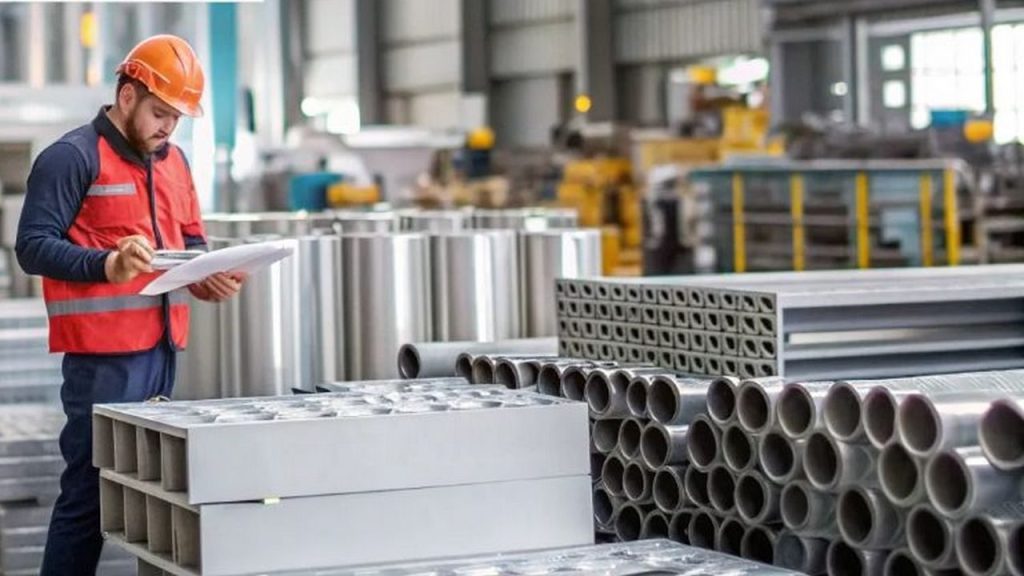
Aluminium die casting shines when product timelines get aggressive. Once tooling is dialed in, cycle times stay short and predictable. That consistency helps production planners lock in throughput, stabilize labor scheduling, and keep downstream operations moving. When demand spikes, the process scales cleanly because output depends more on machine cadence than artisan-level fabrication.
Precision plays a big role in that speed. Die casting can hold tight dimensional control across high volumes, which reduces rework and inspection drama. Teams spend less time chasing drift, shimming fixtures, or compensating for part variation. In practical terms, that means fewer surprises during assembly and fewer last-minute engineering changes to “make it fit.”
Another advantage is design consolidation. Complex parts that once required multiple pieces and fasteners can often become a single casting. That cuts assembly time and shortens the path from prototype intent to production reality. It also reduces points of failure, since fewer joints and interfaces exist to loosen, leak, or crack.
Cost Structure That Rewards Scale and Smart Design
Die casting tooling can feel like a hurdle at first, yet the economics improve quickly when volumes rise. Once the die is built, the cost per part drops because each cycle produces near-net-shape components with minimal waste. Businesses gain a cost structure that stays steady as output grows, which makes forecasting and pricing far easier.
Material efficiency helps, too. Aluminium can be recycled and reintroduced into the process, supporting better scrap recovery compared to many subtractive workflows. Less machining means fewer chips on the floor and less time on high-cost CNC equipment. That frees machining capacity for features that truly need it, instead of using machining as a crutch for poor process fit.
Design choices often decide the final cost more than the machine rate. Thoughtful wall thickness, rib placement, draft angles, and gating strategy can reduce porosity risk and limit secondary operations. When engineering and manufacturing collaborate early, the part can come out of the die closer to its final form, which protects margins and improves delivery performance.
Lightweight Strength That Improves Product Performance
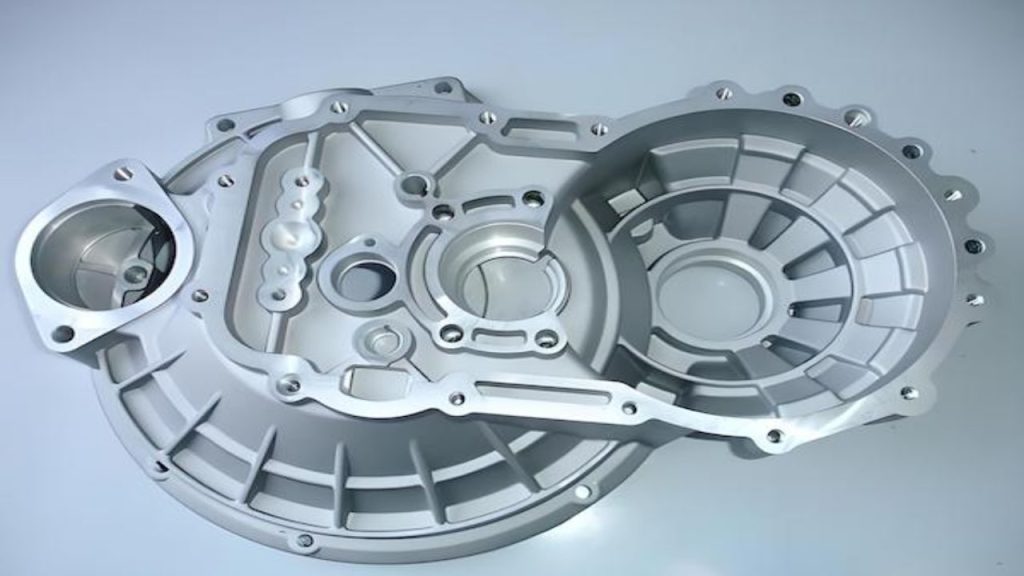
Aluminium brings a strong strength-to-weight ratio, and die casting makes it easier to exploit that advantage in real products. Lighter components reduce shipping costs and make end products easier to handle, install, or service. In transportation and mobility segments, weight reduction can support better efficiency and lower energy use over the product’s life.
Die casting also enables structural features that would be expensive in other methods. Ribs, bosses, and integrated mounting points can be built directly into the part. That supports stiffness without adding bulk. It can also allow thinner sections where loads stay low and reinforcement where loads spike.
Thermal performance is another quiet win. Aluminium conducts heat well, and many industries rely on cast housings, heat sinks, and enclosures to move heat away from sensitive electronics. When thermal paths are designed into the geometry, products run cooler and more reliably. That can extend component life and reduce warranty exposure.
Quality Control That Supports High-Volume Reliability
Businesses win when quality becomes boring. Aluminium die casting can make quality boring in a good way, because repeatable tooling and controlled process parameters reduce variation. Once teams establish stable settings for temperature, injection speed, and cooling, the output becomes highly consistent across shifts and facilities.
Modern quality programs often pair die casting with in-process monitoring. Sensors, statistical process control, and traceability practices can flag drift early. That prevents bad parts from traveling downstream and turning into expensive assembly problems. It also gives engineering teams cleaner feedback loops for process tweaks and continuous improvement.
Post-cast validation can be targeted instead of heavy-handed. When the process stays stable, inspection focuses on critical dimensions and functional surfaces, not broad sampling driven by uncertainty. That can cut inspection time while raising confidence. Customers notice the difference when parts fit, seals mate, and performance stays steady in the field.
Design Freedom That Enables Smarter Products
Die casting gives product teams room to build smarter geometry without turning the bill of materials into a puzzle. Complex internal features, thin walls, and intricate exterior forms can be achieved with careful tooling design. That freedom supports compact products, cleaner aesthetics, and better integration of mechanical and electrical systems.
This is where engineering creativity turns into business value. Integrated features can eliminate brackets, reduce fasteners, and simplify assembly steps. That lowers risk during production ramp and reduces the number of suppliers involved in one finished component. Fewer suppliers means fewer delays, fewer quality escapes, and fewer logistics headaches.
Design for manufacturability still matters. Draft, parting line placement, and feature transitions must work with metal flow and ejection. When teams design with the process in mind, they get the upside of complexity without the downside of scrap. The best programs treat the die as a design partner, not an afterthought.
Supply Chain Leverage and Sustainability Benefits
Manufacturers face intense pressure to stabilize supply chains and reduce exposure to long lead-time parts. Aluminium die casting can support localized production strategies because it offers scalable output and predictable repeatability once tooling is in place. That can reduce dependency on multi-step fabrication routes that cross borders and pile up risk.
Inventory strategy improves, too. When cycle times stay consistent and yields remain high, companies can run leaner buffers without flirting with stockouts. That reduces tied-up cash and warehouse strain. It also lets businesses respond faster to design revisions, since changes can be implemented through tooling updates and process tuning rather than rebuilding entire fabrication workflows.
Sustainability gains show up in practical ways. Aluminium’s recyclability supports circular material use, and near-net-shape production reduces waste compared to heavy machining. Energy use depends on many factors, yet streamlined production steps often translate into a lower overall footprint per finished part. For modern businesses, that combination supports both operational targets and customer expectations.